
Ant Life Cycle – Understanding Their Lifespan & How Long Do They Live?
A pest dilemma is there for scores of people throughout Dubai every once in a while. They spot a single ant roaming the kitchen. And then they soon get a shock to see that there’s an entire parade following it across countertops and floors. You may be blindsided by how quickly the issue worsens and why ants return after you apply treatment. Ant preventions depend on knowing not just the ants you see, but how one colony has various stages of life. This guide will take you through the ant life cycle and how it makes a diffrence to the pest control you choose.
The Four Stages of the Life Cycle of an Ant
How ants move through their ant colony growth is the key to uncovering why treatments often fail. You deal with ants at various points of their journey when you book an inspection, which greatly affects pest control duration. A severe spread usually hides ants at each stage of the cycle at once. This explains why they return when any methods used ignore the earlier stages.
Experts examine your space with a close eye on ant development stages to uncover what is active and what is hidden. Let’s take a closer look at each step within the ant lifecycle.
Stage One: Egg Forms and Early Life Begins
Worker ants are the key part of the first phase of ant life. This takes off when the queen produces fertilized and unfertilized eggs. These eggs remain tiny and fragile, growing under steady warmth supplied by the workers. This stage ties closely to ant egg incubation, which leads to hatching in one to two weeks.
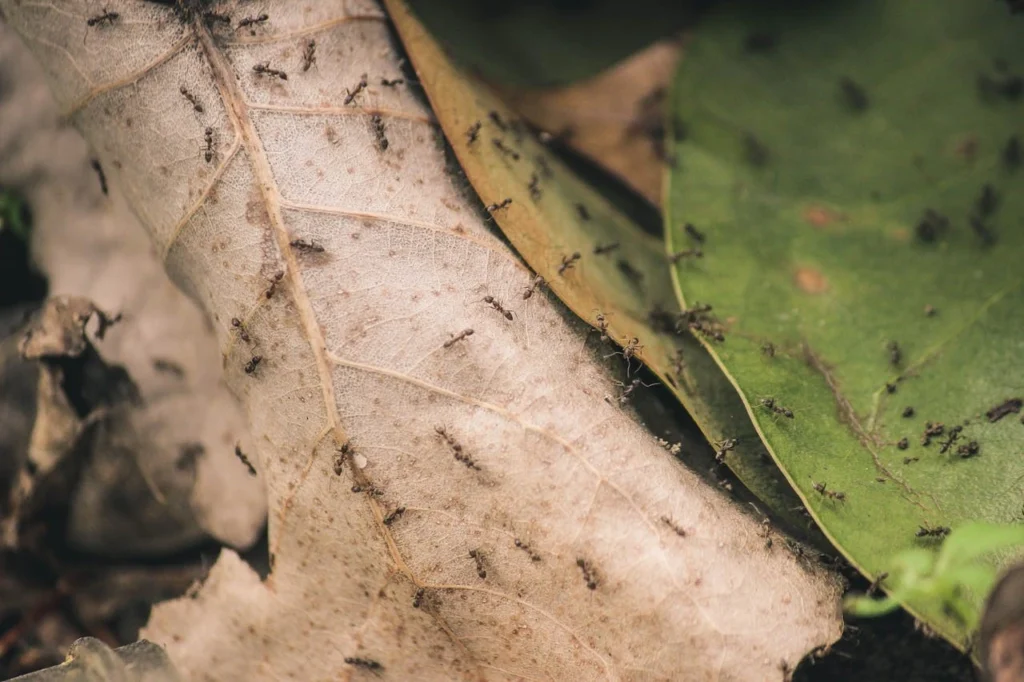
The queen makes both male and female eggs and shapes the colony from the start. Workers move the eggs to warmer or cooler areas to adjust growth. These eggs form the base of future growth, feeding later needs and shaping the early layout of the nest.
Stage Two: Larvae Growth and Feeding Process
Larvae appear without limbs or eyes and rely fully on workers who deliver food through shared stomachs. This stage of the ant lifecycle demands heavy feeding and builds the strength of worker ants roles.
Larvae gain size and toughness as they change. Their progress sets the pace for the colony and influences long term ant reproductive cycle changes within the nest.
Stage Three: Pupa Transformation and Structural
Ant pupae go through major changes that shift them from soft larvae to firm young ants. During this ant lifespan, legs, eyes, wings, and antennae appear. Their bodies fold tightly as they prepare for their next step. This period reflects the larva to adult transition with clear detail. Pupae mature inside protective cases that let their bodies harden and darken before they join the colony.
Stage Four: Adult Freed and Colony Integration
Adults break free from their cases with soft bodies and pale color. Their shells harden within hours and they join the workforce. Their arrival supports ongoing ant breeding habits, which is why urgent pest protection is a must as soon as you spot any signs. The adults may seem easier to tackle, but the effect they have goes beyond stealing your food.
New adults expand the colony and keep growth steady. Their success rests on earlier stages, forming the cycle that shapes the queen ant life span flow within the nest.
The Role of the Ant Life Cycle in Pest Treatment
Ants seem to return fast after DIY treatments because most home methods only strike adult ants. This leaves eggs, larvae, and pupae untouched, which sparks a fresh surge of activity only days later. Many homes repeat this cycle and feel confused when results fade.
A stronger approach uses slow and targeted steps that reach deep inside the nest. True control works through feeding paths and disrupts every stage inside the colony. This steady method clears the root of the problem. The route that most pest control experts take to tackle the entire ants life cycle with science-backed methods.
Expert help outperforms home methods because serious infestations contain many eggs and larvae. These early groups grow fast and strengthen the colony when left untreated, which is why professional pest control takes the lead over DIY techniques. Skilled teams aim for long-term results rather than short fixes, so your home avoids repeated shows of a member of the ant caste system.
True Peace of Mind Begins With Proper Ant Control
Accurate pest control gives stronger and more reliable results for ant issues. Every stage inside a nest comes with its own challenge, which is why fast or surface treatment rarely works. When you delve into how each stage of the ant life cycle supports the next, you can make smarter decisions and guard your home effectively.
Professional help becomes vital once an infestation spans multiple stages because home products ignore deeper layers. The trained specialists at Pest Control Dubai excel at just that, performing inspection and treatment to give you full removal. Book a visit from our licensed expert today to gain long-term ant protection and real peace of mind.
Our Services
Areas We Served
Latest Post
- Camel Spider in Dubai: Complete Guide to Identification, Dangers

- Best Cockroach Killer in Dubai: DIY Methods vs Professional Pest Control
- Drain Flies or Moth Flies in Dubai: Complete Guide to Get Rid of Them

- Things to Do Before & After Pest Control Treatment in Dubai
- Benefits of Annual Pest Inspection for Your Home in Dubai
- Common Types of Flies in Dubai & How to Get Rid of Them
Need Any Help?
Don’t wait for pests to take over, book our services today!