
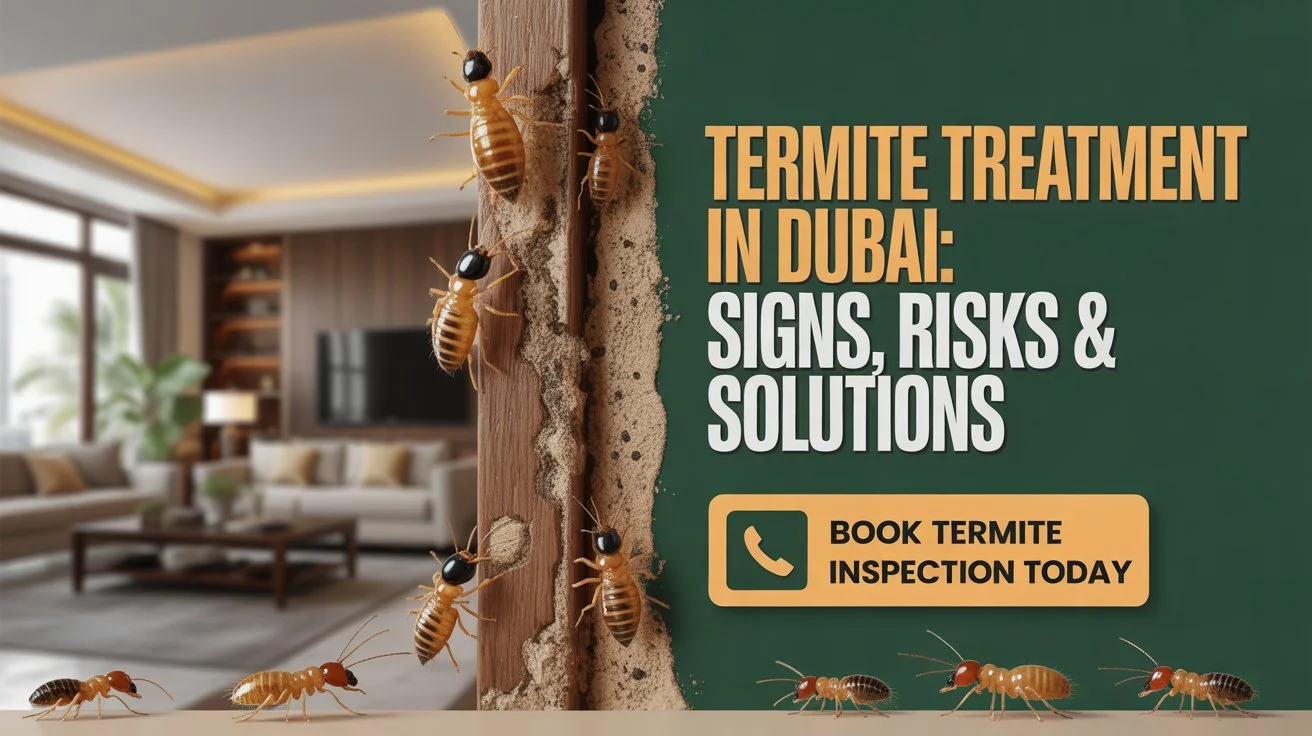
Termite Treatment in Dubai: Signs, Risks & Solutions
Termites are one of the most destructive pests in Dubai. Many homeowners don’t even know they have a termite problem until the damage is already done.
If you live in Dubai or anywhere in the UAE, your home is at serious risk. The hot, humid climate creates the perfect environment for termite infestations. Every year, termites cause billions of dirhams in property damage across the region.
The good news? With the right termite treatment in Dubai, you can protect your home before it’s too late.
This guide will walk you through everything you need to know the warning signs, why termites are so dangerous, and the best ways to get rid of them fast.
Also Read: Cockroach Bite: Symptoms, Risks & Treatment Tips
What Are Termites? (And Why Dubai Homeowners Should Care)
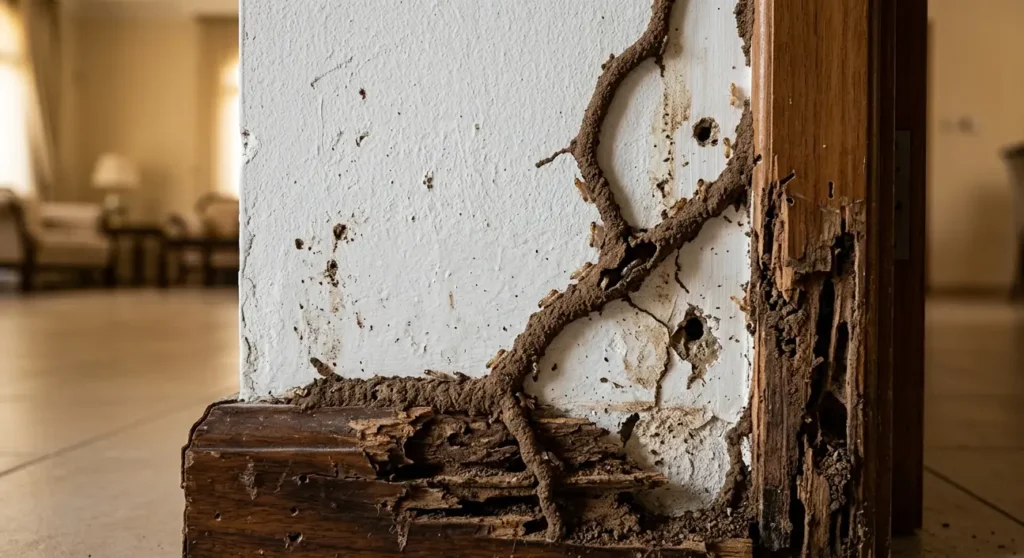
Termites are small insects that eat wood and cellulose material. People often call them “white ants,” but they’re actually more closely related to cockroaches.
There are over 2,000 species of termites worldwide, but the most common in Dubai is the subterranean termite. This species lives underground and travels through mud tubes to reach your wooden furniture, walls, and flooring.
Here’s the scary part: a single termite colony can have millions of insects. They work 24 hours a day, 7 days a week silently eating through your home’s structure.”According to research, termites cause over $40 billion in damage worldwide every year — learn more from NPIC’s termite fact sheet.”
By the time you notice the damage, they may have been feeding on your property for months or even years.
As reported by Gulf News, pest damage — including termites — is one of the top maintenance complaints among Dubai property owners.
Also Read:Cockroach Bite: Symptoms, Risks & Treatment Tips
Why Are Termites So Common in Dubai?
Dubai’s climate is one of the main reasons termites thrive here. Here’s why:
- Heat: Dubai’s high temperatures speed up termite reproduction
- Humidity: Moisture in soil and building foundations creates ideal nesting conditions
- Sandy soil: Subterranean termites love to build nests beneath sandy ground, which is everywhere in the UAE
- Construction boom: New buildings, wooden furniture, and imported wood products bring termites in from other regions
- Irrigation systems: Garden and landscape watering keeps soil moist near building foundations
The combination of these factors makes termite control in Dubai a year-round necessity not just a seasonal concern.
Warning Signs of a Termite Infestation
One of the biggest challenges with termites is that they stay hidden. They eat wood from the inside out, so you rarely see them directly.
Watch out for these warning signs in your home:
Structural Warning Signs
- Hollow-sounding wood — Knock on wooden walls, floors, or furniture. A hollow sound means termites may have eaten the inside
- Bubbling or peeling paint — This can look like water damage but is actually caused by termites underneath
- Sagging floors or ceilings — A sign of serious structural damage from a long-term infestation
- Cracks in walls — Especially along joints and corners
Physical Evidence
- Mud tubes — Small dirt tunnels running along walls, floors, or foundations. These are the highways termites use to travel
- Termite droppings (frass) — Tiny dark brown pellets that look like sawdust or coffee grounds
- Discarded wings — Flying termites (swarmers) shed their wings after mating. You may find piles of small wings near windows and doors
- Live termites — Pale, soft-bodied insects, usually spotted during renovation work
Signs in Furniture & Wood
- Wood that crumbles easily when touched
- Small holes in wooden surfaces
- Damaged books, cardboard, or paper (termites eat cellulose in all forms)
If you notice even one of these signs, don’t wait. Call a professional for a termite inspection in Dubai right away.
How Dangerous Are Termites?
Termites might be small, but the damage they cause is massive. Here’s what’s really at stake:
Property Damage
Termites eat the structural wood in your home. Over time, this weakens beams, floorboards, door frames, and even concrete support structures. Repairing termite damage in Dubai can cost tens of thousands of dirhams.
Health Risks
While termites don’t bite humans directly, they can:
- Trigger allergic reactions from shed wings and droppings
- Worsen asthma and respiratory issues due to dust from damaged wood
- Create mold problems when they damage walls and allow moisture in
Financial Impact
Real estate in Dubai is a major investment. A serious termite infestation can significantly reduce the value of your property. In some cases, mortgage lenders and property buyers require a clean termite inspection report before completing a sale.
Types of Termite Treatment in Dubai
There is no single solution for all termite problems. The right treatment depends on the severity of the infestation and the type of building. Here are the most common and effective options:
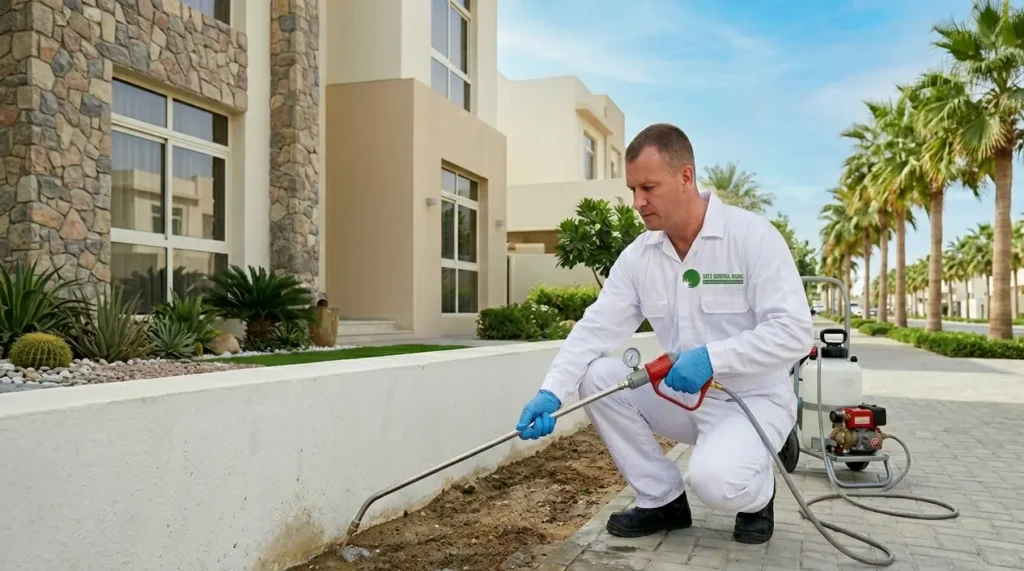
1. Soil Treatment (Pre-Construction)
This is done before a building is constructed. Chemicals are applied to the soil beneath the foundation to create a protective barrier.
Best for: New buildings and villas in Dubai
2. Chemical Barrier Treatment
A liquid termiticide is injected into the soil around your home’s foundation. This creates an invisible chemical barrier that kills termites when they try to enter.
Best for: Existing homes with subterranean termite problems
3. Termite Baiting Systems
Bait stations are placed in the ground around your property. Termites carry the bait back to their colony, where it slowly kills the entire population — including the queen.
Best for: Long-term termite control in Dubai villas and compounds
4. Wood Treatment
Liquid chemicals or borate solutions are applied directly to wooden surfaces. This kills termites on contact and protects the wood from future attacks.
Best for: Furniture, door frames, and exposed wooden structures
5. Termite Fumigation
The entire building is sealed and filled with gas that kills all termites inside. This method is very effective but requires the property to be vacated for a period of time.
Best for: Severe infestations in large properties
6. Heat Treatment
High heat is applied to specific areas to kill termites without chemicals. This is an eco-friendly option but is best used in targeted areas.
Best for: Small, localized infestations
DIY vs Professional Termite Treatment: What’s the Difference?
You’ll find some termite sprays and products in hardware stores across Dubai. But here’s the truth: DIY methods rarely work for serious infestations.
Here’s why professional treatment is worth it:
| Feature | DIY Treatment | Professional Treatment |
| Coverage | Surface only | Deep into soil and structure |
| Effectiveness | Temporary | Long-lasting |
| Safety | Risk of misuse | Certified, safe chemicals |
| Inspection | None | Full inspection included |
| Warranty | None | Often guaranteed |
Professional pest control companies in Dubai use commercial-grade products that are not available to the public. They also know exactly where to apply treatments for maximum effect.
The EPA recommends hiring a licensed pest control professional for any termite treatment involving chemical barriers or fumigation
Termite Prevention Tips for Dubai Homeowners
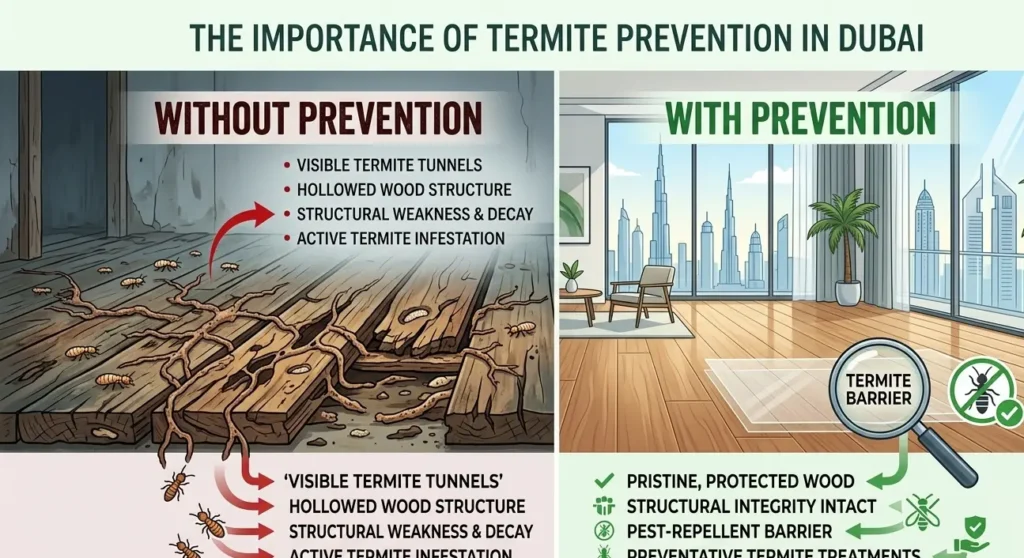
The best way to deal with termites is to stop them before they start. Here are practical tips to keep your home termite-free:
- Fix water leaks immediately — Termites are attracted to moisture. Leaky pipes and poor drainage create the perfect environment
- Keep wood away from soil — Don’t let wooden beams, furniture, or debris touch the ground around your home
- Reduce wood in your garden — Old tree stumps, firewood piles, and wooden garden furniture are easy targets
- Seal cracks and gaps — Check your foundation, walls, and around pipes for cracks and seal them with cement or caulk
- Improve ventilation — Good airflow reduces moisture buildup in crawl spaces and under floors
- Store cardboard and paper wisely — Avoid keeping stacks of boxes or newspapers in storage rooms and garages
- Schedule annual termite inspections — Regular inspections by a certified pest control company in Dubai can catch problems early before they become expensive
When Should You Call a Professional for Termite Control in Dubai?
You should call a professional if:
- You find mud tubes anywhere in or around your home
- You notice hollow-sounding wood or visible damage
- You see discarded wings near windows or doors
- You’ve spotted any live termites
- You’re buying or selling a property in Dubai
- Your neighbor has recently reported a termite problem
- It’s been more than 12 months since your last termite inspection
Don’t wait for the damage to get worse. Termites multiply fast, and the longer you wait, the more expensive the treatment becomes.
Why Choose Professional Termite Treatment in Dubai?
Dubai has strict building regulations, and pest control companies operating here must be licensed by the Dubai Municipality. A certified company will:
- Conduct a thorough termite inspection of your entire property
- Identify the species and severity of the infestation
- Recommend the most effective and safest treatment plan
- Use government-approved chemicals
- Provide a treatment warranty and follow-up visits
- Issue an official pest control certificate (required for some rental and sale agreements)
When choosing a termite control company in Dubai, always ask for their Dubai Municipality license number and check their reviews online.
Termite Treatment Dubai — Your Questions Answered
Everything Dubai homeowners ask about termite control, costs & prevention.
Most treatments take 2–4 hours for a standard apartment or villa. Larger properties or severe infestations may take longer. Fumigation can require 1–3 days, during which the property needs to be vacated.
Yes — when done by a licensed professional. Our team uses Dubai Municipality-approved products and follows strict safety protocols. We advise you on how long to stay out of treated areas so your family and pets are fully protected.
Costs vary by property size and treatment type. Basic treatments start from AED 300–500 for apartments, while full villa treatments typically cost AED 1,000 or more. We always provide a written quote before work begins — no hidden charges.
Yes, if preventive measures are not followed. Annual inspections and maintenance treatments are strongly recommended. We offer a 90-day warranty on all treatments, and our team provides follow-up visits to check results.
No. Even newly built villas and apartments are at risk, especially those near sandy soil or with landscaped gardens. Dubai’s hot climate and sandy ground make every property vulnerable year-round, regardless of age.
Watch for mud tubes on walls or floors, hollow-sounding wood, bubbling or peeling paint, small piles of discarded wings near windows, and tiny dark droppings that look like sawdust. If you spot any of these, book an inspection immediately.
Yes, many buyers, landlords, and mortgage lenders in Dubai require a clean termite inspection report before completing a property transaction. Our licensed team issues official pest control certificates accepted across Dubai.
We recommend at least one professional termite inspection per year. Given Dubai’s climate — high heat, sandy soil, and irrigation near foundations — annual checks are the best way to catch problems early and avoid costly repairs.
Conclusion: Don’t Let Termites Destroy Your Home
Termites are a serious and growing problem in Dubai. The combination of heat, humidity, and sandy soil makes every property in the UAE vulnerable. But the damage is not inevitable.
With early detection, the right termite treatment in Dubai, and regular professional inspections, you can protect your home and your investment.
Don’t wait until you see crumbling walls or hollow floors. Act now.
Ready to Protect Your Home?
Contact Pest Control Dubai today for a free termite inspection and professional termite treatment across Dubai and the UAE. Our licensed team uses the latest termite control methods to keep your home safe, your family protected, and your property value secure.
