
Dos and Don’ts of Ant Control: Common Mistakes to Avoid
Some ants wandering across your countertops may not seem serious. But ignoring them really means that there will be a bigger issue soon, that is if there is not one already. Ant colonies grow fast and do not become obvious till the infestation is massive. Pest protection experts who get called in for ant control usually report dealing with countless ants hidden in every crack and crevice. There are many mistakes that people make (in addition to ignoring ant sightings) that lead to swift infestations. This will go into detail the dos and don’ts of ant control so you can spot any mistakes you’re making and fix them fast!
Errors and Their Fixes in Comprehensive Ant Control Strategies
An ant colony kicks off when these critters enter your home find good enough food and shelter. And while you may dismiss those few insects you see as ‘just an ant problem’, ant exterminators will disagree. They get complaints of biting and uncomfortable sleep from people who did the same things as you at the start!
So are you making any mistakes that are keeping ants holed in your home or workplace too long? Let’s go through the most common don’ts and the solutions that bring you much peace of mind.
Entry Points Left Unsealed
Ants don’t need a large opening to make their way inside. That tiny, innocent-looking crack in your doorframe can be the entryway for ants and other mini pests. Check all over the place to find cracks and gaps in walls and ceilings, windows and doors, even drain pipes.
Ants usually like staying close to food, so they will build a colony inside using any cracks there. Ant infestation prevention becomes harder as time goes on with you leaving all entry points open.
What you should really do:
Seal every small gap with caulk or foam. Any weak spots like an old doorframe need some revamp to help keep out all kinds of pests. This crack and crevice sealing process will take some time, but the results will last and give you peace of mind.
Overlooking Cleanliness and Food Residues
Cookie crumbs and pet food messes are an everyday thing, but so will ants be if you are not careful. You may be missing the tiny food pieces that settle in the corners or roll under appliances.
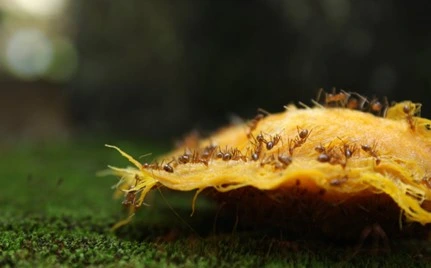
These forgotten spots become easy food zones for ants and a starting cause of an infestation. One of the early warning signs of an ant problem you may see is trails in the food crumbs you leave out. That is why the food crumbs that you tell yourself will not matter if you clean up later actually play a role in ant colonies.
What you should really do:
Daily home sanitation should be the norm. The same goes for any workplace kitchens and dining areas. Wiping all surfaces, throwing away food crumbs and organic waste in sealed bins, and placing leftover food in sealed containers are some easy interior cleaning tips easier to follow for long term ant prevention.
Depending on Store-Bought Sprays
Find yourself reaching for that insect spray can as soon as you see ants crawling? This may knock out visible ants, but the nest is still safe and active. Heavy spraying can also change humidity levels for ants and push them deeper into walls. They become harder to reach and your spray becomes part of the problem.
What you should really do:
Go for slow baiting strategies to target ants at their base. This is something pest control professionals are trained for. They use gel baits very strategically, which worker ants carry back to the colony. Unlike the use of pesticides that only handle a few critters, this slow technique can wipe out a colony from within.
Ignoring Moisture and Damp Spaces
Pests love places where there’s easy food access, but they also love homes and commercial places where dampness is a constant. We’re talking about that leaky pipe in the yard or bathrooms without drying and ventilation.
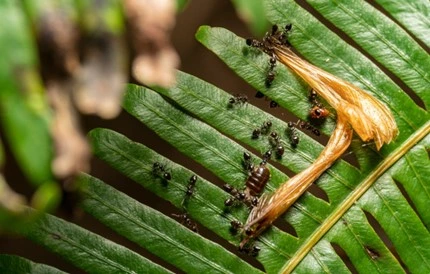
Certain ant species enter a space just because there is water always nearby. Not clearing up puddles, leaving out buckets, and not fixing pipes leads to infestations of not just ants, but roaches and flies too!
What you should really do:
Moisture control is the key to cutting out ant survival sources. Air out damp areas like attics and basements often. Any leaky faucets and pipes in your bathrooms and kitchen get fixed!
Not Looking Up Ant Types Present
One product may not work for all ants. Yes, there are wide varieties, and they do act differently. This mistake increases ants control service frequency later because the root concern was never treated the right way. Two varieties of ants may not like the same foods and follow the same habits. They also will not react the same way to one product, no matter how amazing it is.
What you should really do:
Test out a product or physical method before you rely on it completely. You inspect the ant closely and look up the type, and then what bait and repellent work. Professionals can make this whole dilemma simpler with their extensive ant know-how and cut down wasted time and effort.
Jumping Straight to Harsh Chemicals
Strong chemical ant treatments become crucial when infestation is way too serious, but these products should not be your first stop for every single ant sighting. These sprays put pet and child safety at risk and even cause breathing issues for adults.
What you should really do:
Low-impact or natural ant repellents work well when you use them the right way. You can look up plants that repel ants or go for gel baits (chemical but low impact) for very precise treatment. Leave stronger options to the pros or use only when you are out of other options.
How To Go About the Dos and Don’ts of Ant Control When Pests Strike
You have a great guide to avoiding mistakes but you may noy always make the right decision when there is the stress of endless ants all around you! You may end up getting a very strong and toxic spray or apply gel baits but not give them enough time to do their magic. That is why a serious ant problem needs professional pest control instead of home remedies and DIYs that have a short life.
Let Seasoned Pest Experts Tackle the Ants
There is nothing quite like the services of trained technicians who work the way you can’t. They inspect and treat any kind of ant infestation by targeting the very base and take out the colony completely.
We follow these steps at Pest Control Dubai and personalize each step based on your space and the unique infestation at hand. You can also count on us to give you thorough guidance about dos and don’ts of ant control for long-term protection. Book a pest inspection for ants today to let the pros tackle the problem before it gets out of hand!
Our Services
Areas We Served
Latest Post
- Bed Bug Stains on Sheets: Identify & Act Fast

- What Is a Termite with Wings? Complete Guide for Dubai Homeowners
- How Much Does Pest Control Cost in Dubai? (2026 Guide)
- Why Do Cockroaches Keep Coming Back After Pest Control in Dubai? (Reasons + Fixes)
- Best Cockroach Killer in Dubai: DIY Methods vs Professional Pest Control

- Cockroach Bite: Symptoms, Risks & Treatment Tips
Need Any Help?
Don’t wait for pests to take over, book our services today!
