
Why Do Cockroaches Keep Coming Back After Pest Control in Dubai? (Reasons + Fixes)

⚡ Quick Answer : Cockroaches keep coming back after pest control in Dubai because the source was never eliminated not because the treatment failed. Untreated egg cases, neighbouring units, drainage systems, and unsealed entry points are the most common causes. A single visit is rarely enough.
You booked a pest control service. The technician came, sprayed every corner, and the cockroaches disappeared for about two weeks. Then they returned. First one in the kitchen, then a few in the bathroom, and soon you are back to square one.
This is the most common complaint I hear from residents across Dubai in apartment blocks in International City, towers in JVC, and villas in Al Quoz. The cockroaches always seem to come back. In most cases, the first treatment was never designed to solve the problem permanently. Here is why and what actually works.
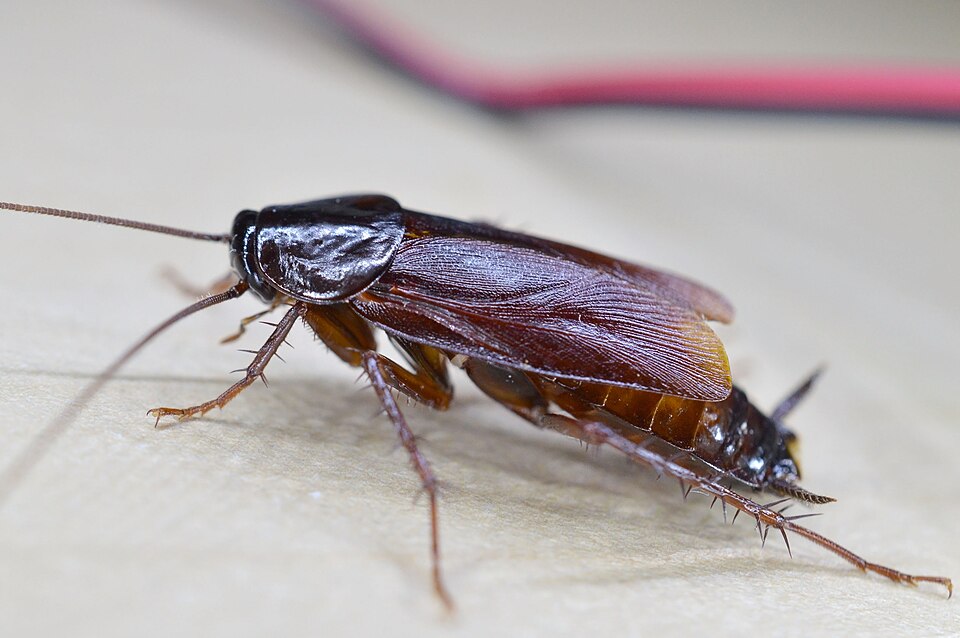
Source: Photo by Dimitǎr Boevski — Wikimedia Commons (CC BY-SA 4.0)
📋 Table of Contents
The 5 Real Reasons Cockroaches Keep Coming Back in Dubai
1. Egg Cases Were Not Eliminated
Cockroach females deposit tough, leathery egg cases called oothecae, each containing 16 to 40 eggs, deep inside cabinet hinges, wall cracks, and behind appliances. Insecticide sprays have virtually no effect on these cases. Three to six weeks after your treatment, a fresh wave of nymphs hatches and the cycle restarts. This is the single most overlooked cause of re-infestation in Dubai homes.
2. Neighbouring Units Were Never Treated
Dubai’s residential buildings in International City, Discovery Gardens, and Al Warsan are tightly packed multi-unit blocks. German cockroaches move freely between units through shared wall cavities, plumbing chases, and electrical conduits. Treating your unit while three adjacent units remain untreated guarantees re-infestation within weeks. Cockroach control in a shared building is a building-wide problem, not a unit problem.
3. Drainage Lines Were Ignored
Large reddish-brown cockroaches, known as American cockroaches, live and breed in Dubai’s sewer and drainage infrastructure. They enter properties at night through floor drains and unsealed P-traps to forage. If your treatment covered only interior surfaces and ignored the drainage system, these cockroaches were never at risk. Drainage treatment requires specific formulations applied directly into sewer lines by a qualified technician.
4. Entry Points Were Not Sealed
Dubai construction uses extensive PVC and steel conduits for AC piping, electrical wiring, and plumbing, each creating small gaps where pipes penetrate walls and floors. Cockroaches need only 1.5 mm of clearance to pass through. Without sealing every gap after treatment, cockroaches from adjacent units or the drainage system re-enter within days.
5. A One-Off Spray Was Used Instead of an IPM Programme
A single spray visit cannot break a cockroach breeding cycle. Integrated Pest Management (IPM) combines targeted gel bait in harborage zones, residual surface treatment, exclusion work, and scheduled follow-up visits. This is the internationally recognised standard. Spray-only, one-visit services may reduce visible populations temporarily but leave the real infestation completely untouched.
Dubai-Specific Fact: During summer months when outdoor temperatures exceed 45°C, cockroaches move indoors in significantly higher numbers. July and August are peak infestation months, and also the period when one-off treatments most commonly fail due to continuous inward pressure from drainage systems and neighbouring units.
Myths vs Facts: Cockroach Control in Dubai
| Myth | Fact |
|---|---|
| “One treatment should eliminate them permanently.” | Multiple visits are needed. Egg cases survive sprays and hatch 3 to 6 weeks later. |
| “Cockroaches only appear in dirty homes.” | They enter via drainage and building infrastructure. Cleanliness does not prevent entry. |
| “Dubai summer heat kills cockroaches.” | Temperatures above 45°C drive them deeper indoors. Summer is peak infestation season in Dubai. |
| “DIY sprays from Carrefour solve the problem.” | Consumer sprays have no residual effect and cannot reach harborage zones or egg cases. |
| “No daytime sightings means no infestation.” | Cockroaches are nocturnal. Daytime sightings actually indicate a severe, overcrowded infestation. |
Health Risks of a Recurring Cockroach Infestation
Cockroaches are a documented public health concern, not just a nuisance. Their shed skins, saliva, and droppings release potent allergens that circulate through air-conditioned Dubai buildings, directly worsening asthma in children and adults. As mechanical vectors, they physically carry Salmonella, E. coli, and other bacteria from drainage systems to kitchen surfaces within a single night.
UAE Legal Note: Under Dubai Municipality Food Safety Regulations, food business owners are legally required to maintain cockroach-free premises. Persistent infestations can result in fines, temporary closure, or licence revocation.
Cockroach Activity by Season in Dubai
| Season / Months | Temperature | Activity Level | Key Risk |
|---|---|---|---|
| Winter (Dec to Feb) | 14 to 22°C | Low to Moderate | Indoor infestations remain active in heated buildings |
| Spring (Mar to May) | 24 to 38°C | Increasing | Breeding accelerates; American cockroaches emerge from drainage more frequently |
| Summer (Jun to Sep) | 40 to 45°C+ | Peak | Maximum indoor movement; highest infestation reports across JVC, DIP, International City |
| Autumn (Oct to Nov) | 28 to 36°C | High | Summer populations remain large; humidity increases drainage activity |
“In ten years inspecting properties across Dubai, from studios in International City to villas in Nad Al Sheba, the most common mistake I see is treating cockroaches as a product problem rather than a systems problem. They live in our drainage infrastructure, move through our walls, and breed in voids no spray can reach. The only lasting solution is a structured IPM programme that addresses entry points, treats harborage zones with the right products, and includes mandatory follow-up visits.”
What To Do If Cockroaches Keep Returning: Step-by-Step
- Identify the species. Small tan cockroaches (1 to 1.5 cm) are German cockroaches and should be treated with gel bait. Large reddish-brown cockroaches (4 to 5 cm) near drains are American cockroaches and require drainage treatment.
- Seal all entry points. Use silicone sealant on every gap where pipes, cables, or conduits enter walls and floors. Install fine-mesh covers on all floor drains and ensure P-traps remain water-filled.
- Request building-wide coordination. Contact your facilities manager and request simultaneous treatment across all units and common areas. Without this, cockroaches from untreated units will repopulate your unit within days.
- Book a follow-up treatment at week three or four. This is non-negotiable. It targets nymphs hatching from egg cases that survived the initial treatment. A third visit at week six to eight confirms full control.
- Remove all food and moisture sources. Store all dry goods in sealed containers, fix dripping taps, clean grease from cooker hoods, and empty bins daily. Pest control alone cannot overcome an active food supply.
Prevention Tips: Stop Them Coming Back for Good
- Pour water into unused floor drains weekly to keep P-traps filled. This blocks sewer cockroach entry.
- Clean behind and beneath the refrigerator every three months, including the condenser drip tray.
- Never leave unwashed dishes overnight. This is the single most effective habit change against German cockroaches.
- Seal all pipe penetrations through walls annually using appropriate silicone sealant.
- Schedule a professional inspection and preventive treatment every three to four months. Annual treatment is not sufficient in Dubai’s climate.
- For villas in communities like Dubailand or Nad Al Sheba, request a perimeter treatment to address outdoor harborage near garden drainage.
Al Barsha 1 Apartment Tower: Persistent German Cockroach Re-Infestation
Property: 14-storey residential tower, Al Barsha 1
Issue: Cockroaches returning after three separate treatments by two different companies over six months.
Our inspection covered twelve units across six floors and all common areas. It revealed that all previous treatments were spray-only with no gel bait placed in harborage zones. Only eight of 168 units had ever been treated, leaving the German cockroach population across the remaining units completely untouched. The building’s vertical utility chase had never been treated and showed heavy cockroach activity at every floor access point.
Our Solution: Coordinated gel bait treatment (Advion Evolution) across all 168 units simultaneously, combined with crack-and-crevice residual spray, manual egg case removal, utility chase dust application, and silicone sealing of pipe penetrations in twenty-four units. A follow-up treatment at week four targeted newly hatched nymphs.
Result: Zero cockroach activity confirmed at the week-eight monitoring visit. Tenant complaints ceased completely. A quarterly maintenance programme has been in place since with no recurrence.
Key lesson: in a multi-unit building, treating individual units is cockroach displacement, not pest management.
🔗 Related Guides and Services
Frequently Asked Questions
Cockroaches Returning After Treatment? We Will Find the Real Cause.
Pest Control Dubai is UAE Municipality-approved and specialises in eliminating persistent cockroach infestations using integrated pest management. Serving all areas of Dubai.
🛡️ Get a Free Inspection Quote 📞 +971 50 798 9618Municipality-Approved · All Dubai Areas · Same-Day Inspection Available
